The Alcohol Tax: Why Your Weekend Drinks Are Killing Your Testosterone Gains

A few weeks ago I was out at dinner with a group of friends. We were at this high end steakhouse, the kind of place where the lighting is low and the whiskey list is three pages long. Everyone around the table was ordering drinks, talking about bourbon, wine pairings, and one more round. I was the one not drinking.
That happens to me all the time. Somebody eventually asks why I do not drink, and my answer is always the same. I am not willing to pay the alcohol tax on my performance and hormones.
That night was another reminder of why. I watched the room get louder, posture get sloppier, and sharp conversation turn fuzzy around the edges. The next morning, some of the same guys looked like they were dragging a weighted sled through the hotel lobby. Puffy face, lower energy, slower thinking, less edge. I was not judging them. I was noticing the pattern. Alcohol takes more than people think, and most men do not realize how much of their recovery, focus, and hormonal output they are giving away until they feel the difference for themselves.
What many men mistake for a simple hangover is actually an acute hormonal withdrawal. When you consume alcohol, you are not just dehydrating your cells. You are actively sabotaging the chemical foundation of your masculinity.
The New Science of the Alcohol Tax
As we look at the clinical data coming out in early 2026, the picture is becoming uncomfortably clear. We used to think that a few drinks on the weekend were harmless if your diet and training were on point. The latest research suggests otherwise. Clinical studies now show that even moderate drinking, which is defined as about fourteen drinks per week, can lower your baseline testosterone by nearly seven percent.
For a man striving for peak performance, seven percent is a massive loss. That is the difference between feeling good and feeling optimized. If you move into the category of heavy drinking, the numbers become catastrophic. Heavy alcohol consumption can slash your testosterone levels by half. Imagine working out, eating clean, and prioritizing sleep, only to have fifty percent of your primary anabolic hormone wiped out because of a few late nights at the bar.

The Estrogen Flip and Aromatase Activity
The way alcohol destroys your progress is through a process I call the Estrogen Flip. Inside your body is an enzyme called aromatase. Its job is to convert a small portion of your testosterone into estrogen. This is a natural and necessary process because men need some estrogen for joint health and brain function. However, alcohol essentially flips a switch that turns this process into overdrive.
Recent 2026 metabolic studies indicate that alcohol consumption can increase aromatase activity by sixty to eighty percent. This means that while your body is struggling to produce testosterone, the alcohol in your system is rapidly converting what little you have left into estrogen. This is why men who drink heavily often notice increased body fat around the midsection and chest, along with a decrease in muscle density. You are effectively biohacking yourself in the wrong direction.
Alcohol acts as a direct toxin to the Leydig cells in your testes. These are the factories where your testosterone is produced. When ethanol enters your bloodstream, it creates oxidative stress that impairs these factories. At the same time, it disrupts the signal from your brain to your body that says you need more testosterone. It is a multi pronged attack on your vitality.
Why the Tax Lasts All Week
Many guys think they can reset their system with a green juice and a sauna session on Sunday afternoon. The reality is that your endocrine system does not work on a twenty four hour clock. When you suppress your testosterone through binge drinking, which is five or more drinks in a single sitting, your levels can stay suppressed for up to ninety six hours.
By the time your hormones start to recover on Thursday, you are already looking forward to Friday night drinks. This creates a cycle of chronic hormonal suppression. You never actually reach your baseline. You are living your life in a state of constant hormonal debt. This is why you feel that lack of drive and that subtle irritability throughout the work week. You are not just tired from work. You are recovering from a self inflicted hormonal crash.
Navigating the Social Landscape
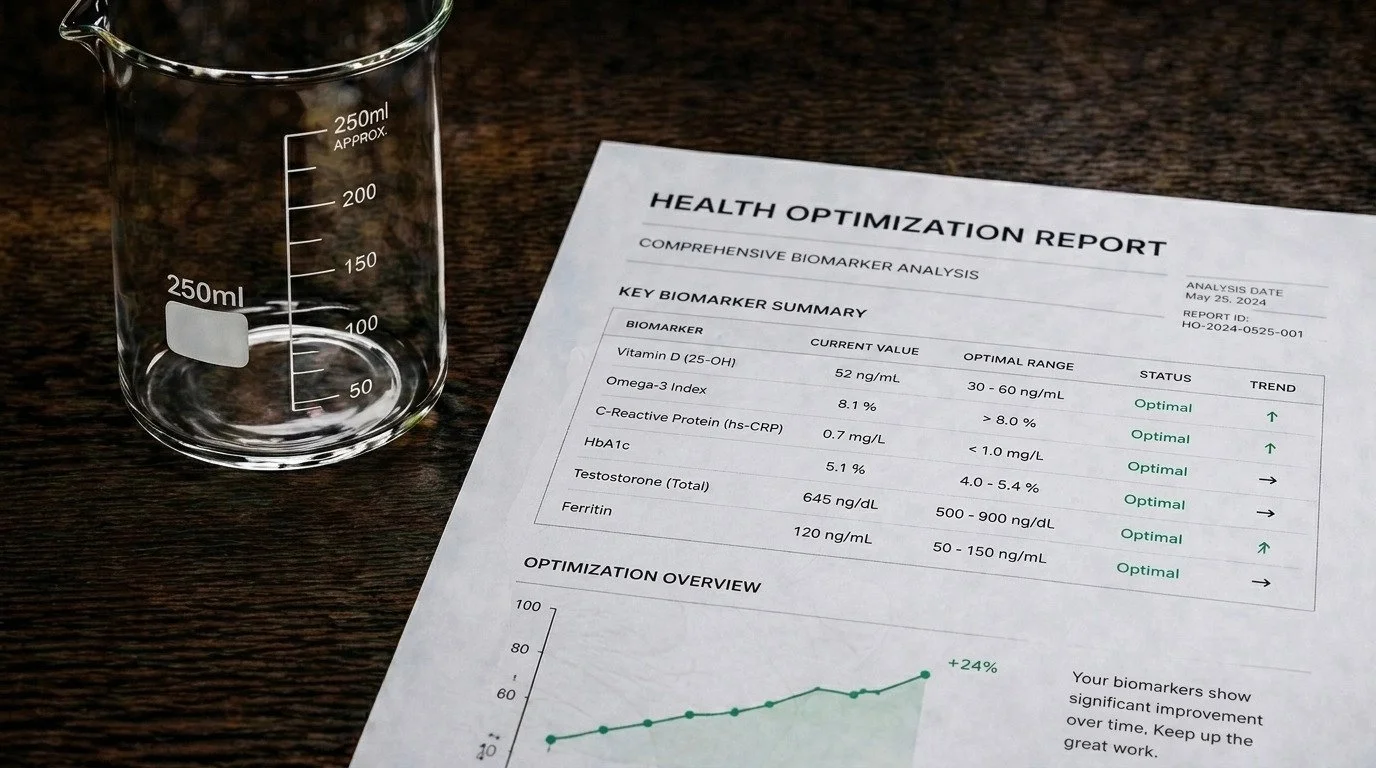
I am not telling you that you can never have a drink again. I am telling you to be honest about the cost. In my role at Compass Men's Health, I speak with men every day who are trying to optimize their lives. They want to be better fathers, better husbands, and more effective leaders. When we look at their labs, the alcohol tax is often written in plain sight.
If you are serious about optimization, you have to start treating your testosterone like the precious resource it is. If you are struggling with low energy, weight gain, or a lack of motivation despite your best efforts in the gym, it might be time to look at a more professional solution. Working with an online mens health clinic allows you to get a clear picture of where your levels actually sit.
Many men find that they have been operating at a deficit for years. Through testosterone replacement therapy online, we can help you restore your levels to where they should be. This provides a baseline of stability that makes it much easier to manage your lifestyle choices. When you feel optimized, you often find that the desire to mask your fatigue with alcohol starts to fade away.
Choosing a Path of Optimization
Your health journey should be built on a foundation of data and clinical oversight. At Compass Men's Health, we do not believe in one size fits all solutions. Every plan we create is strictly tailored to your specific labs, your symptoms, and your long term goals. We provide a private, board certified TRT telehealth model that fits into your life without the friction of traditional doctor visits.
If you are wondering how to navigate the world of hormone optimization, you should check out our guide on how to choose the best testosterone replacement therapy online. It breaks down exactly what you should look for in a provider to ensure you are getting evidence based care rather than a generic prescription.
Conclusion: Is the Drink Worth the Tax?
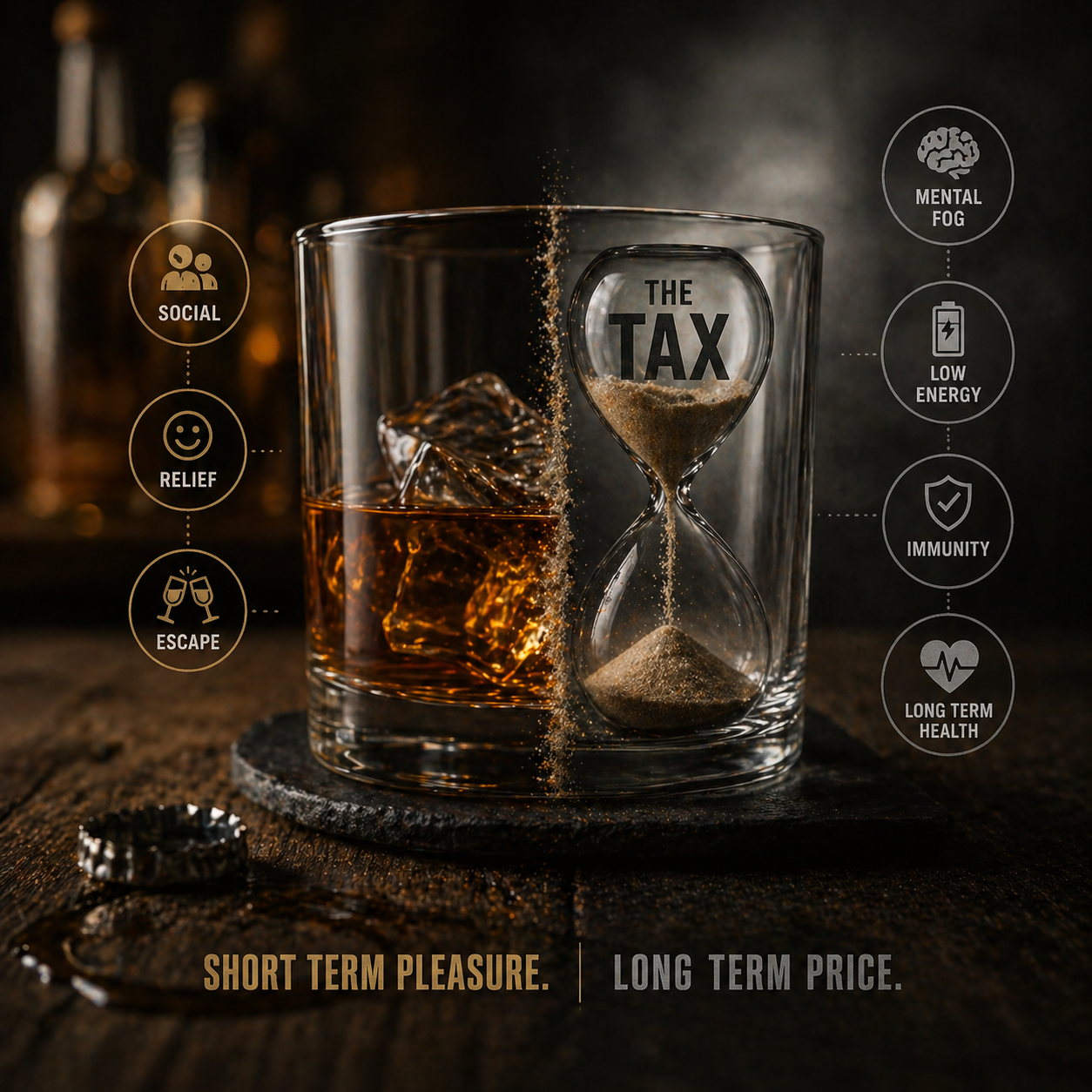
The next time you are out with friends and the waiter asks if you want another round, I want you to think about the tax. Is that third drink worth a seven percent drop in your baseline testosterone? Is it worth the brain fog that will follow you into your Monday morning meetings?
Optimization is about making conscious choices that align with the man you want to be. It is about moving away from the habits that keep you in a state of withdrawal and moving toward a life of sustained energy and performance.
We are here to help you navigate that path. Our services are designed to simplify the complex world of hormone health and provide you with a clear, personalized roadmap to your best self. You can explore our full range of men's health services to see how we can support your specific needs.
Questions? We have got answers. Whether you are looking to start your journey or you just want to understand your labs better, we are ready to partner with you. Your health is the most important investment you will ever make. It is time to stop paying the alcohol tax and start investing in your own vitality.
This information is for educational purposes only and does not constitute medical advice. Always consult with a qualified healthcare professional before starting any new treatment or making significant changes to your health regimen.